


Many course creators focus only on creating followers. But followers don’t equal sales.
Social platforms change algorithms all the time. One day your posts reach thousands. The next day, almost no one sees them.
Email marketing works differently.
When someone joins your email list, you own that connection. You can talk to potential students directly, share value and guide them toward your online course at the right moment.
And that’s why email marketing remains one of the most powerful tools for selling online courses and growing membership sites.
In this beginner’s guide to email marketing, you’ll learn:
- How to build an email list
- How to create simple email funnels
- How to use proven email marketing tips to turn subscribers into paying students
TL;DR: Email marketing is an effective marketing strategy for online courses and membership sites to grow their sales. First, you’ve to build an email list. After that, keep them engaged by sending valuable content or freebies, and soft sell your online course. This is how email marketing funnels works.
What Is Email Marketing for Online Courses

Email Marketing is a form of digital marketing where businesses use email to connect with potential customers and grow their sales.
Yet, online courses mostly aren’t impulse purchases. Most students need time to:
- Understand what the course teaches.
- Trust the instructor.
- See proof that the course works.
Email marketing solves this by creating a relationship before the sale happens. Here, you don’t push the sales page right away. You guide subscribers through a simple journey:
- They join your email list through a lead magnet or free resource.
- They receive helpful emails that provide real value.
- They learn about your course and how it solves their problem.
- When the time is right, they enroll.
This is why email marketing is one of the most reliable strategies for marketing membership sites, digital courses and coaching programs.
How Email Marketing Fits into a Course Creator’s Business
For course creators, email marketing becomes a core marketing system that supports your complete overall online education business.
Course creators mostly use email marketing to:
- promote new courses or lessons
- nurture potential students with educational content
- launch new programs
- upsell advanced courses or memberships
- keep existing students engaged
Over time, your email list becomes one of the most valuable assets of your course business because it gives you direct access to an audience that already wants to learn from you.
In simple words, you send email messages to attract potential students, build trust with them and guide them toward enrolling in your course. That’s it.
Next, let’s look at why email marketing is the best marketing channel for course creators, even compared to social media or search traffic.
Why Email Marketing Is the Best Channel for Course Creators
Email marketing is one of the most effective channels when it comes to marketing online courses.
No need to rely on search engines or social media.
According to marketing studies, Search engines algorithms are shifting towards “AI-powered answer engines” that give you instant answers. Due to this, there’s a huge drop of 25% in traditional searches.
On the other hand, social media platforms (TikTok, Instagram or YouTube) are much better and easy to scale compared to organic search engines. However, while easy to scale, social platforms are like “rented land”. You don’t own an algorithm nor any audience. Plus, the ad costs on these platforms are skyrocketing day by day.
And the solution is: Email marketing.
You collect email addresses from people interested in your topic. After that, you send them helpful emails that educate, engage and…..eventually introduce your online course as the solution to their problem.
Lets say, you teach a photography course. Thus your email list might receive:
- Tips on taking better photos.
- Beginner tutorials.
- Gear recommendations.
- Behind-the-scenes insights from your work.
Over time, these emails build credibility and trust. And….when you finally introduce your online course, subscribers already trust your expertise. So they are much more likely to enroll.
Email vs Social Media Marketing for Course Creators
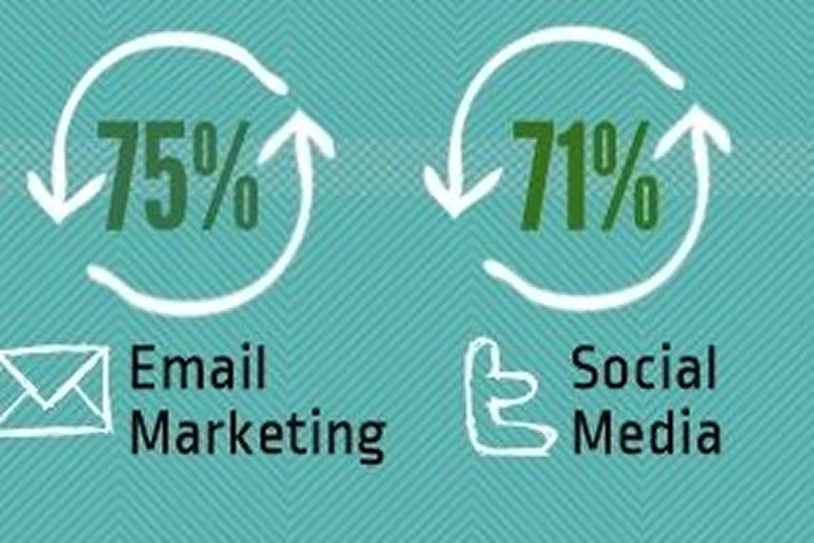
Both email and social media can help promote your online course. But they work in very different ways.
Social media helps you reach new audiences. On the flip side, email marketing helps you build deeper relationships and convert subscribers into students.
That’s why most successful course creators use social media to attract attention and email marketing to turn that attention into course sales.
| Feature | Email Marketing | Social Media |
| Audience ownership | You own your email list | Platforms control your audience |
| Reach | Emails go directly to subscribers | Posts depend on algorithms |
| Relationship building | More personal and direct | Often short and surface-level |
| Conversion potential | High for course sales | Lower without additional funnels |
| Long-term asset | Your list grows in value over time | Followers can disappear with algorithm changes |
How to Build an Email List for Your Online Course

Before email marketing can help you sell your online courses, you need one important asset: An email list of people interested in learning from you.
An email list is simply a collection of subscribers who have agreed to receive emails from you. These subscribers are mostly potential students who want tips, resources or guidance related to your topic.
For course creators, building an email list lets you connect with your audience before launching or promoting your online course. It helps you stay in touch with them via helpful emails.
Thus here are three proven ways to start building your email list.
1. Create Irresistible Lead Magnets That Attract Potential Students
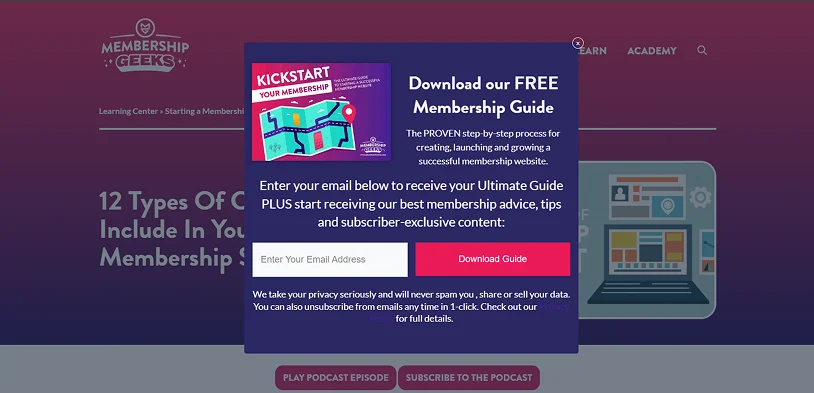
A lead magnet is a free resource you offer in exchange for someone’s email address.
The goal is simple. Give potential students something valuable that solves a small problem related to your online course topic.
Good lead magnets for course creators are:
- Free mini-courses or lessons.
- Downloadable checklists or templates.
- Short guides or PDFs.
- Free training videos.
- Mind Maps for any subject.
- Email challenges or workshops.
Let’s say you sell an online course about digital marketing. Now your lead magnet can be:
- 10 Email Marketing Templates for Beginners.
- 5-Day Email Marketing Mini Course.
- Beginner’s Guide to Email Funnels.
- And so on…
The key is relevance. Your lead magnet should attract the same type of audience who will later buy your complete course.
2. Use Your Website or WordPress Blog to Capture Leads
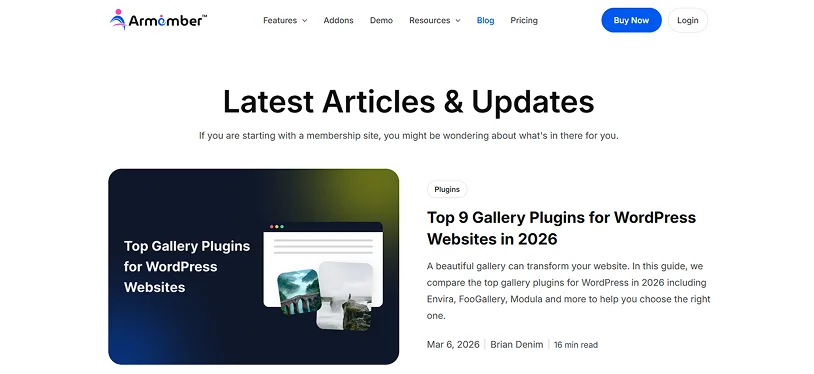
Your website or WordPress blog is one of the best places to grow your email list.
When people visit your site to read tutorials, guides or blogs, they are already interested in your topic. Thus it makes them much more likely to subscribe.
Here are the common ways to capture leads on your website the right way:
- Email signup forms within blog posts.
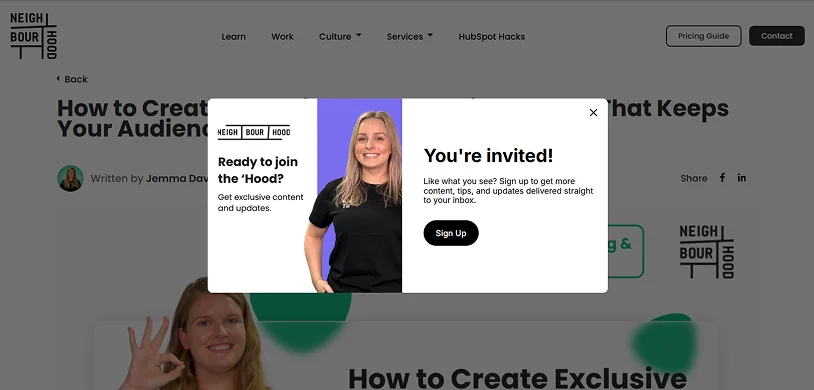
- Pop-up subscription forms.
- Sidebar opt-in forms.
- Dedicated landing pages for lead magnets.
- Content upgrades inside articles.
Many WordPress plugins such as ARMember and ARForms allow you to create these online forms easily and connect them to your email marketing tools.
Over time, your website becomes a source of new subscribers who are actually interested in your course topic.
3. Promote Your Email List Across Multiple Channels

The fastest way to create an email list is by promoting it across multiple platforms. So you can promote your lead magnet or signup page on:
- Social media posts and profiles.
- YouTube videos and descriptions.
- Podcast episodes.
- Online communities or forums.
- Guest blog posts.
If you’re a course creator, you can post a short tip on social media and then invite people to download your free guide through a simple subscription form. This will help you grow your email list and get a high-quality lead too.
The more channels you use, the more opportunities you create to attract new subscribers.
Over time, this builds a strong email audience that is already eager to learn more about your course.
The Email Marketing Funnel That Sells Online Courses
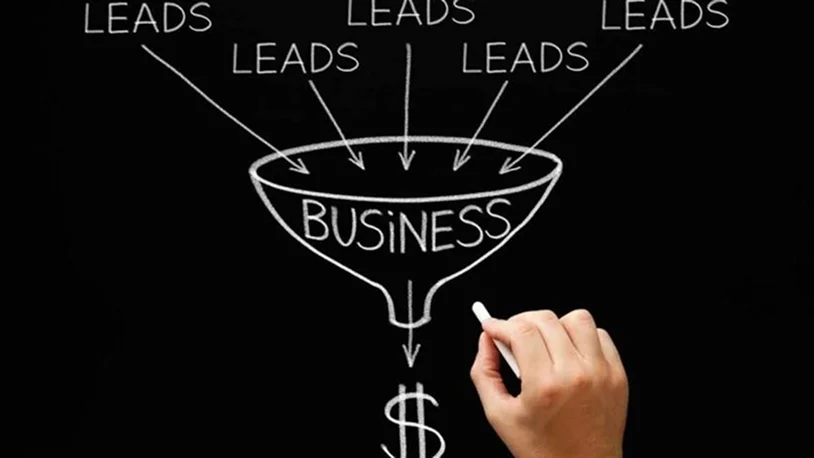
Congrats! If you have followed and built your organic email list the way we told you, it’s time to hop on the next step. Once someone joins your email list, the next step is guiding them through a simple email marketing funnel.
An email funnel is a sequence of emails designed to create trust, offer value…and eventually introduce your course.
Never send random emails. That’s the first sign of unprofessionalism and pushing subscribers to unsubscribe.(Yes, they can unsubscribe if they don’t find value in it)
Thus you must guide subscribers through a structured journey. And here’s a simple email funnel many course creators use.
1. Welcome Email
The welcome email is the first message subscribers receive after joining your email list. The purpose of sending a welcome email is to introduce yourself. Plus, it’s about setting up expectations for future emails.
A high-impact welcome email mostly includes:
- A short introduction to you and your expertise.
- The promised lead magnet or resource.
- A quick explanation of what subscribers will learn from you.
This email starts the relationship with your new subscriber.
2. Value Emails
When we say value email, it simply means emails that deliver some value, helping the audience before selling anything. If you directly start selling, it’ll look like spam and they’ll simply unsubscribe.
These value emails become valuable as they include:
- practical tips.
- tutorials.
- quick strategies.
- lessons from your experience.
- helpful tools or resources.
The goal is to build customers’ trust and show that your emails are worth reading. When subscribers consistently get helpful content from your side, they become much more interested in learning from you.
3. Course Introduction Email
The next step is introducing your online course.
Yet remember this is the most crucial step. You’ve gained your subscribers’ trust with your expertise. Now don’t ruin it by sounding too salesy and promotional.
Introduce your online course naturally. This email should explains:
- The problem your course solves
- Who the course is designed for
- What results students can expect
At this stage, your online course should feel like a logical next step for people who want deeper guidance.
4. Sales Email
The sales email focuses on explaining why your course is valuable. Yes, this time its time to promote for real. And to do it the right way, you can include:
- a clear description of the course content.
- benefits and outcomes students can achieve.
- testimonials or student success stories.
- a link to the course enrollment page.
This email is where you invite readers to become paying students.
5. Urgency or Deadline Email
Many online course creators include a final email that creates urgency. While it’s optional, many sends this email when:
- course enrollment is closing
- a special discount is ending
- bonus content is about to expire
Urgency emails help subscribers make a decision fast. It indirectly says it’s no time for postponing enrollment. And when used thoughtfully, these emails can significantly boost your course sales.
Email Marketing Tips & Tricks for Online Course Creators

Sending the same type of email over and over again can make subscribers lose interest fast. After creating a successful email list and segmenting your audience, it’s time to mix different types of emails that educate, inspire and occasionally promote your course.
Here are some effective email marketing ideas for online course creators that keep your list active and grow online course sales over time.
Share Quick Tips or Mini Lessons
One of the easiest ways to build trust among students is by sending short and helpful lessons related to your course topic.
These emails don’t need to be long. A simple tip, strategy or quick tutorial is more than enough. Afterall, your focus should be on giving instant value to your students.
For example:
- A photography instructor can share one camera setting tip per week.
- A marketing coach can send a quick email marketing strategy for beginners.
- A fitness coach can share a short workout routine.
These small insights help you stand as a trusted expert.
Send Behind-the-Scenes Insights
People enjoy learning how creators work behind the scenes. Thus you can share things like:
- how you created your course
- lessons learned while teaching students
- mistakes beginners often make
- tools or resources you personally use
These emails make your content more personal and relatable. And when it’s relatable, it strengthens your connection with your subscribers.
Share Student Success Stories

Sharing success stories is the most old-fashioned yet effective way to get more sales.
It helps potential students see what results your course can deliver. However, never create fake success stories. We’ve seen many online course creators do that, and it simply backfired. Students can detect fake stories a mile away, as they’re students themselves.
Still, you can highlight:
- A student who achieved great results.
- Feedback from course participants.
- Before-and-after progress stories.
These emails act as social proof, showing subscribers that your course has real impact.
Answer Common Questions From Your Audience
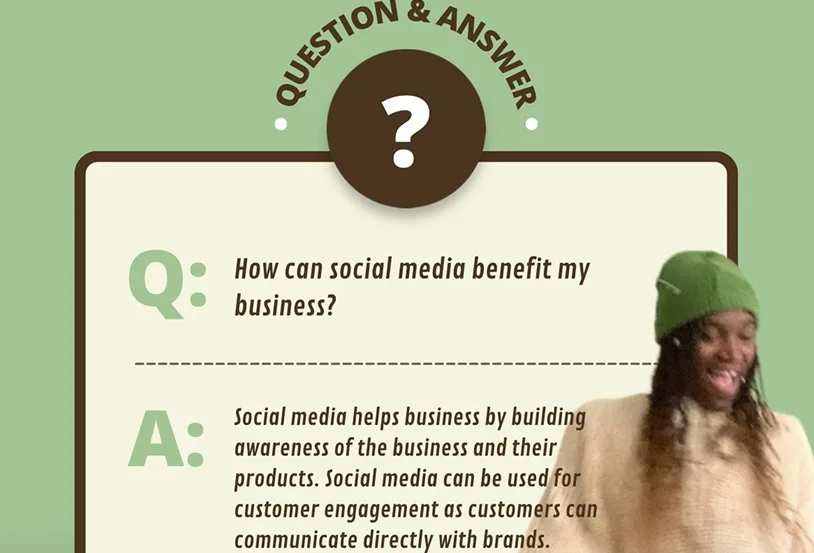
Subscribers in most cases got the same questions about your topic. And replying to each one may sound like a good way to personalize. But it’s time consuming.
Instead, you can turn these questions into email content.
For example:
- “Do I need expensive equipment to start photography?”
- “How long does it take to learn email marketing?”
- “Can beginners succeed with this course?”
Answering real questions helps your emails stay relevant and valuable.
Announce New Content or Free Resources
Whenever you publish a new tutorial, guide, or video, email is the perfect place to share it. These emails help you:
- drive traffic to your website or blog.
- keep subscribers learning from you.
- remind readers that you regularly create helpful content.
Over time, you’ll get to see better engagement with your audience.
Promote Limited Time Offers or Course Launches
Promotion emails are an important part of email marketing for online courses. You can send emails about:
- new course launches.
- special discounts.
- bonus lessons.
- early enrollment opportunities.
The key is balance. Promotional emails work best when they are combined with valuable educational content.
Common Email Marketing Mistakes Course Creators Should Avoid

Email marketing for online courses is super effective, but only if you know how to do it the right way.
Even small mistakes can lower engagement and course sales. That’s why here are a few common mistakes we’ve seen many beginners (And sometimes even experienced) course creators make:
- Buying Email List: Yes, you may not know but many companies sell email lists. Never fall for that trap. You’ll experience spam complaints, low delivery rate and no course sale.
- Selling Too Soon: Many creators start promoting their course right after someone joins the email list. Patience is the key. You must first build trust then only sell.
- Sending Emails Inconsistently: If you send emails once and then disappear for weeks, subscribers will also forget and disappear forever. A consistent schedule is a must in email marketing to keep your audience engaged.
- MWriting Weak or Click-Bait Subject Lines: Even great emails won’t work if people never open them. Always use clear and curiosity driven subject lines (Not click-bait) to significantly improve open rates.
- Sending Generic Emails to Everyone: No one is same nor have the same interests, and same goes for your audience. That’s why you must segment your list and send emails based on their behavior, interests or course topics.
- Focusing Only on Promotion: If every email sells, subscribers will simply turn away. As we said before: Provide value first, sell second.
Avoiding these mistakes helps you maintain trust with your audience and improve the effectiveness of your email marketing efforts.
Conclusion
Selling online courses and memberships with email marketing is one of the most effective and proven marketing strategies. But you must know this is not an overnight money-making strategy – no marketing strategy is.
You have to build your own email list of students and learners who are actually interested in your topic. Send them regular emails and keep them engaged, and soft sell your online course at the right moment.
The best part? ARMember is an all-in-one WordPress membership plugin that handles all of these. You can create your own online course, sell digital downloads, pay-per-posts, or subscriptions with zero hassle. It comes with over 15+ email marketing tools and 21+ payment gateways.
If skyrocketing your course sales is the goal, ARMember gives you everything you need to make it happen.
Related Articles:
- 7 Membership Engagement Strategies That Actually Work in 2026
- How to Start an Online Tutoring Business with WordPress
- 6 of the Impeccable Online Courses Selling Platforms in 2026
FAQs
How often should I send marketing emails?
Sending emails one to three times per week is the most effective starting point to maintain engagement.
What emails work best for selling online courses?
The best emails for selling online courses are always automated, targeted, personalized and valuable. You can send emails such as:
- Welcome email
- Value / Education emails
- Social proof emails
- Urgency Emails
- Launch or promotional emails
Which email marketing tools work with WordPress?
ActiveCampaign, MailPoet, MailChimp and GetResponse are the best email marketing tools that work with WordPress. And the best part is all of these and even more smoothly integrates with ARMember.
Can email marketing help grow membership sites?
Yes, Email marketing can help your membership business site. Membership email marketing helps you find the right target audience, high quality leads and convert them into paying members.

Share this post


