


We all know that without a free trial strategy, it’s hard to make any membership or subscription site attractive to a bigger audience. But the benefits of offering a trial come hand in hand with its cons! Well, a small, high-intent trial pool with 40% conversion beats a large one with 5%!
So, if you are looking to deeper understand this topic in order to improve your free trial strategy and reduce the number of freebie seekers, then this article is for you.
Before we begin, it’s crucial to know that optimizing a free trial for a membership site is really about balancing three things:
- Attracting the right users.
- Converting them efficiently.
- Filtering out low-intent “freebie seekers”.
Now, let’s jump to the practical methods.
Pricing Model & Offer Structure Tips
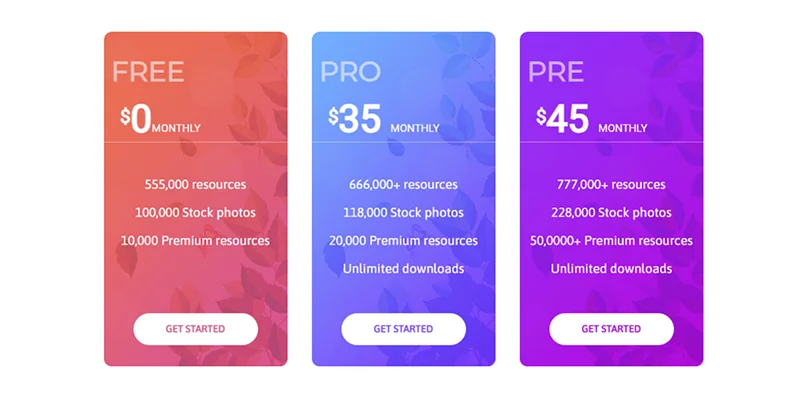
Let’s begin with choosing the right trial type.
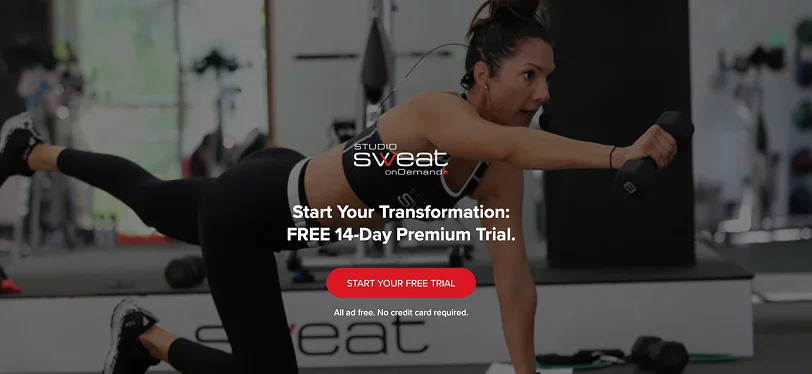
A free trial with no credit card required
It makes sense when you have strong onboarding + activation tracking or your audience needs hands-on experience before buying. This includes software, services, mastermind groups, etc.
A free trial with no credit card required usually offers high signup rates (of course!) but can attract freebie hunters.
A free trial with credit card required
Requiring a credit card for the trial typically attracts higher-intent users and leads to a stronger conversion rate, though it naturally reduces the total number of signups.
Consider this if your product has clear, strong perceived value and the subscription price is not positioned as ultra-cheap. This makes people already expect it to be a serious paid service that meets their needs.
Free trial shaped as a ‘money back guarantee’
It’s an interesting model when you actually charge the money but provide the ‘money back’ peace of mind.
Take MasterClass as an example – they’ve used trial-style access because people need to watch content to evaluate production value and build an emotional connection that also drives purchase. However, people still need to pay for the subscription to get started, and if it doesn’t fit their needs, they will get a refund within 30 days of the date of the purchase.
But overall, it operates on a subscription model: an annual membership unlocks the entire content library, similar to a streaming entertainment platform.
Low-cost trial (e.g. $1)
This works for reducing freebie seekers because it’s still a commitment but very small. Freebie seekers don’t want any paid commitment.
Often outperforms free because it naturally can:
- Filters low-intent users
- Increases perceived value
- Reduces fake emails
SaaS and premium education platforms widely use it to attract really motivated audiences.
Free often feels low value, so you may want to simply change phrasing in your trials, e.g.:
– Use anchoring: “Full access worth $97/month”.
– Use scarcity: “Trial closes in 48 hours”.
– Use progress psychology: “You’ve completed 70% of setup”.
Trial Length Strategy
The default 7-14 days is not always optimal, especially for content that is purely educational.
The trial should be long enough to experience value, but short enough to create urgency, so you should totally rely on the nature of your product or service when deciding on the length of the trial subscription. It’s smart to optimize the length of a trial based on:
- Time-to-first-value (TTFV)
- Product complexity
- Buying cycle
For example:
- 7 days → Fast utility tools
- 14 days → Learning platforms
- 30 days → Community-based or behavior-driven products
The length is critical for the member activation and onboarding strategy, because most trials fail if users never experience value. So the trial period should be centered around this “activation moment”.
What action predicts conversion from a free trial to your paid services? Examples:
- Created first project
- Completed first lesson
- Posted in community
- Generated first report
All this should be tracked to understand how to choose the right free trial period.
Have Strong Onboarding Tactics
If you want your free trial strategy to be very effective, it’s important to introduce such an onboarding flow that helps prospects at many levels, for example:
Guided setup checklist
Show progress bar to help prospects understand how it all works for them.
- Step 1: Complete profile
- Step 2: Try X feature
- Step 3: Invite someone
- Step 4: Finish first result
Completion triggers
For some types of membership and subscriptions (e.g. fitness clubs, language-learning apps, or gaming battle passes), it’s crucial to introduce competition triggers like rewards, emails, or in-app celebrations.
Personalized onboarding
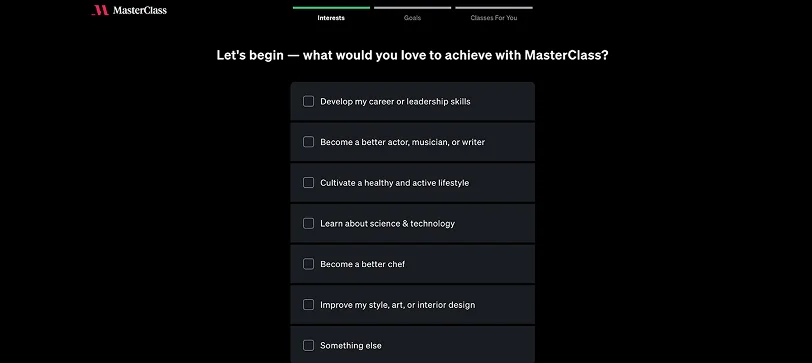
You may ask at signup:
“What are you trying to achieve?”
“What describes you best?”
Then customize the dashboard based on the answers to introduce the most relevant workflow for their business.
Drip-based onboarding emails
It might be hard to find the right balance for emails you send during the trial period, but often a simple “Welcome” email is not enough. An example of email marketing during a trial period can include:
- Day 1: Quick win
- Day 3: Case study
- Day 5: Advanced tip
- Day 7: Social proof
- Day 9: Upgrade reminder
Overall, consider all types of emails and choose those that can make a difference for your particular trial:
Messaging used during the trial lifecycle.
- Trial start email
- Mid-trial check-in
- Usage reminder
- Feature highlight email
- Expiration reminder
- Last-day warning
- Payment reminder
- Upgrade encouragement
- Trial ending notification
- Post-trial follow-up
- Win-back email
- Renewal reminder
Behavioral Filtering (Reduce Freebie Seekers)
When you want your trial strategy to be super powerful on reducing freebie seekers, you need to understand their motivations better – and remove them.
Not necessarily to block them upfront, use friction intelligently.
If you can rely on the software for memberships that you use, a few smart filters may include email verification, IP limits, profile completion requirements, or limit on downloads during trial.
On the psychological side, they want value before effort, loving tools like:
- “Download 200 templates instantly”
- “Full library unlocked immediately”
- “No setup required”
- “No payment details”
But many freebie seekers usually avoid:
- Setup steps
- Learning curve
- Configuration
- Personalization
- Credit card information
- Interactions with you (emails, inquiries, polls, etc).
Moreover, freebie seekers want everything immediately, so why not try to delay full access but introduce features day by day? Or even more so, try gating specially valuable content behind action, e.g. complete profile – unlock downloads, finish lesson 1 – unlock templates, etc.
Monetization for Free Trial Strategy
If we look at a bigger picture, we need to think of a free trial strategy in the context of future upgrades as well.
1. Offer mid-trial upgrade incentives
You can motivate prospective members to upgrade already at the stage of a trial, for example, by offering them a 20% lifetime discount, a bonus template pack, a 1-on-1 call, or founder pricing.
2. Optimize your trial exit strategy
When someone cancels or gives up on a trial, ask them important questions, such as ‘why are you canceling?’, ‘what stopped you?’, and ‘what were you hoping to achieve?’. So, think of using exit survey insights to optimize acquisition targeting.
3. Implement usage-based nudges
Encourage upgrades by highlighting feature limits at the right moment. For example, when a user reaches a booking cap, automation limit, or some sort of threshold, show a contextual message explaining the benefit of upgrading.
4. Shorten time-to-value
Guide trial users to their first success as quickly as possible. Use onboarding checklists, set up wizards so that they can activate payments, sync calendars within minutes, or perform other important actions.
5. Segment and personalize follow-ups
Not all trial users behave the same. Identify high-intent users specifically for your type of product and send them tailored upgrade offers. Also, you may want to reengage inactive users with educational emails or quick-start tutorials that address common blockers.
Data and Metrics to Track
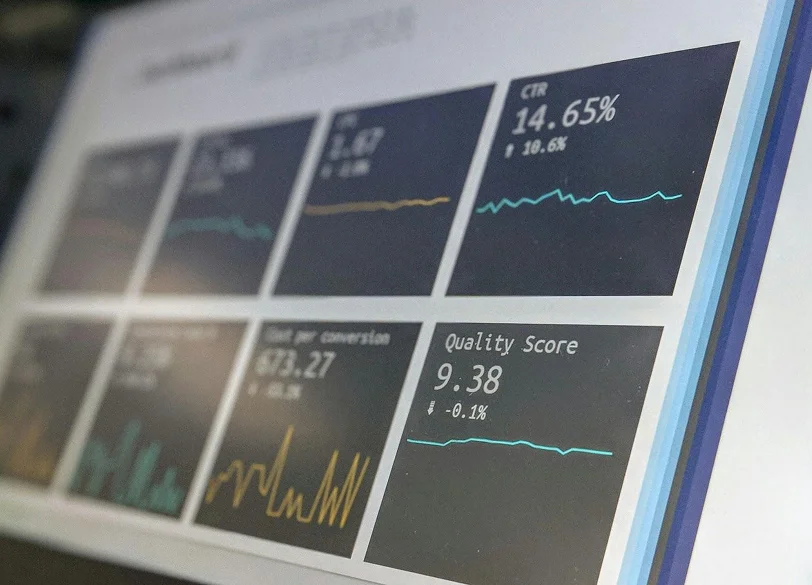
For your free trial strategy, you need data and metrics that could tell you where your free-trial funnel leaks and why people don’t become long-term customers.
Think of a free trial as a journey like: Visit → Sign up → Experience value → Pay → Stay → Grow.
Each metric diagnoses a specific stage. Some of the most used ones include:
- Trial signup rate
- Activation rate
- Trial-to-paid conversion rate
- time to activation
- Refund rate
- Churn after 30 days
- LTV by acquisition channel
These metrics help you determine whether you need better onboarding, guided setup, default templates – or when you can simply spot entry barriers.
Conclusion: What’s the Best Way to Offer Free Trials?
‘Credit card not required’ is no longer a deal-maker for your membership trial? If you can’t gate content behind a payment, gate it behind an action – freebie seekers avoid any type of commitment.
Moreover, freebie seekers want unlimited passive value, so try centering your free trial strategies around small commitments (dripping content, filters like seat limits, automated restrictions on unlimited usage).
We want to lower the barrier to entry so anyone can jump in, but we’ve built it so you only get results if you actually put in the work. It’s the perfect filter: serious people get ahead, while the tire-kickers just fizzle out.
Related articles:

Share this post


