



This blog post you are reading is published on a WordPress site and is monetized – in a way. How exactly? Learn by example and spot in the context! But first: a bit of theory and tips relevant to today’s world.
Monetizing a WordPress blog today is far more complex and nuanced but also way more interesting than it was even a few years ago. Why? You probably know the answer…
The shift to AI-driven search, changing Google policies on affiliate content, and new creator-economy tools have reshaped the monetization and creation landscape.
Even more important factor: monetization strategies can vary enormously depending on the type of blog you run. A travel blog, a WordPress tutorial site, and a personal finance publication will all have different paths – or at least detours – to revenue.
While true optimization requires understanding your niche, audience intent, and the ecosystem you publish in, this guide covers a core set of blog monetization approaches that work across many types of WordPress sites – with a realistic angle!
Monetizing Blog With Affiliate Programs, But the 2026 Way
Affiliate marketing is still one of the core things to monetize blogs authentically.
But the stop light is: if you are looking to monetize a blog with the “list 10 products and add affiliate links” strategy, it’s outdated in many cases. You want your content to be discovered, but Google’s recent emphasis on experience and hand-tested insights (widely referred to as E-E-A-T) makes your preparation and commitment to content you want to monetize blog on WordPress even more time-consuming.
That’s why, how to use affiliate marketing strategically today:
- Diversify affiliate partnership and affiliate tracking tools.
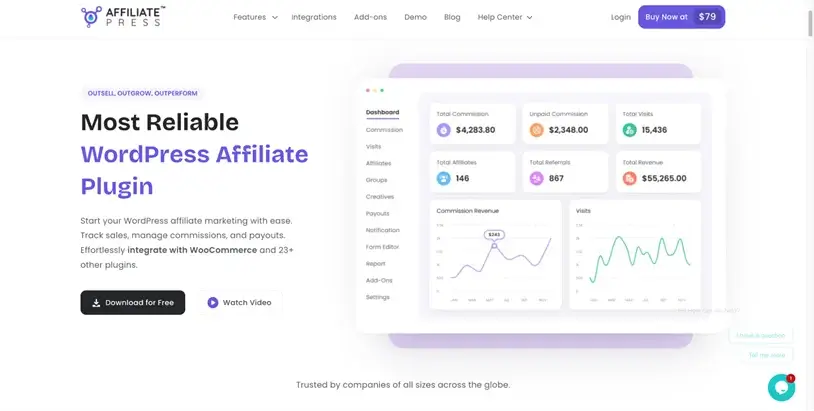
Today many brands – including software, hosting platforms, travel agencies, app developers – will gladly give you a direct affiliate link or even a custom coupon code for your readers or watchers. If they are on powerful WordPress affiliate marketing plugins like AffiliatePress, you will get even more options to promote content, including QR codes and landing pages. Personalized discounts and other modern affiliate tracking methods convert dramatically better and make your content more SEO-native than generic affiliate insertions. - Turn your WordPress content into conversion funnels.
If your blog solves problems – technical How-tos, fitness routines, coaching, SaaS tutorials – your most actionable content is the perfect anchor for affiliate promotions. WordPress plugins like Lasso help structure this naturally without breaking Google’s guidelines. - Create affiliate content that works: comparison or decision-making aspects.
These work well on people because you can provide real comparison value for saving their time. Moreover, WordPress offers many tools for structuring comparison data – tables, calculators, dynamic filters, which aren’t just UX boosters, they also win over AI search engines because structured content is easier to reference.
Paid Posts and Subscription Content (Now Mainstream and Completely Normal)

“Paid content” isn’t something scary or unreal anymore, even for small WordPress blogs.
It’s what major newspapers, industry research firms, and niche hobby blogs all do. And WordPress remains the best platform for it because of its awesome range of tools you can use to offer readers smooth payment options.
Ways to implement paid content on WordPress
Remember your best content is worth paying for – and you can literally implement paying options attached to your specific pages or posts.
1) Membership plugins
WordPress membership plugins like ARMember let you fully control content monetization options, build communities and branded social networks. In particular, you can:
- Hide premium tutorials, analysis, or templates behind a paywall.
- Offer monthly or yearly subscriptions.
- Sell access to a private content library.
- Sell smaller courses or specific pages/posts on WP.
- Created different levels of content access with different pricing.
This is one of the ways we monetized this blog, actually! Have you spotted it? We’ve recommended (thus, monetized this blog) our product for bloggers that helps them properly monetize their own content. A win-win!
2) Paid newsletters integrated directly into WordPress
Substack and other popular services are on the rise – how to use their success on your site? Tools like Newsletter Glue or MailPoet let you charge for subscriber-only newsletters, creating a full paid email marketing flow on your branded WordPress blog.
3) Direct paid posts
If you’re writing analysis, predictions, or deep-dive reviews, you can treat your blog like a micro-publication. Tech blogs, AI blogs, or finance bloggers look for such content because it has real business value that saves them time.
Think Like a Business: Who Is Most Likely to Pay You?

Many bloggers jump into monetization without defining the economic ecosystem they operate in.
Ask yourself:
- Which companies in my niche benefit financially from my audience buying things?
- Does my content layout make it obvious how a brand could integrate into it? (e.g., a “recommended tools” sidebar, a review format, a comparison component)
- Would companies pay me for attention, reviews, exposure, or data?
For example, a fitness blogger can easily attract supplement brands, coaching apps, and equipment companies, while a parenting blog naturally draws toy companies, baby product brands, and educational platforms.
Your WordPress blog should visually communicate what type of business collaborations it welcomes. WordPress block patterns and various content add-ons are great helpers here for making a suitable design.
WordPress-Specific Monetization Opportunities You Can’t Easily Do Elsewhere

WordPress stands apart because you can layer multiple monetization methods without being limited by internal policies or monetization rules – that’s why you’ve chosen WordPress, right?
Some unique advantages include:
- WordPress gives you full control over ad placement, A/B testing, non-Google ad networks and direct ad sales to companies. So, in case you see AI search reduces organic traffic, you can monetize blog traffic you still control more effectively.
Dynamic content blocks:
- You can use WordPress block patterns or custom Gutenberg blocks to insert product showcases, promote paid guides, embed CTA widgets, run sponsor-specific layouts. Smaller website builders rarely offer this flexibility to monetize blogs.
SEO plugins:
- Powerful WordPress SEO plugins help you structure affiliate content properly, generate product schema, format buying guides in rich-snippet-friendly ways. Perfect for the UX and revenue to monetize the blog.
Ask Companies for Personalized Coupons for Your Readers

Many brands don’t advertise this, but if you have even a modest audience, companies are often happy to create custom promo codes, limited-time discounts, and special landing pages.
These are great WordPress blog monetization tactics that will help you to:
- improve conversion rates
- give your blog unique value
- strengthen partnership potential
- make your content more “reader-first”
Create a special discount page so that they are SEO friendly for both AI and traditional search engines. They work really well for software, digital tools, travel, wellness, and ecommerce.
Repurpose Content Into More Formats

We’re talking about blog content here, right? It’s normally pursued as a long-format tutorial a modern reader can’t manage to concentrate on for a long time (they need the canonical TLDR). It’s when content repurpose and diversification is super important.
Ways to repurpose:
- Make short teasers for your blog content and upload it on YouTube Shorts or TikTok.
- Convert posts into email drip sequences (perfect for paid subscribers).
- Use WordPress plugins to auto-publish snippets on platforms like Medium, X or LinkedIn.
The same insight should travel through multiple channels and bring more audiences to your WordPress site!
Create Micro-Products From Existing Posts

How to monetize a blog with a high-leverage approach? WordPress makes it easy because you can package what you have into monetization-enabled formats:
- templates
- checklists
- mini-eBooks
- content packs
- notion boards
- email scripts
- downloadable research.
Sell them using WooCommerce or Easy Digital Downloads (or membership plugins like ARMember). This content is loved by people because it creates actionable frameworks, especially if they are based on your own experience.
Conclusions: Tips for The Future of Blog Monetization
Blog monetization is not about how to get guaranteed money. It’s more about finding the best tactics and ways to make your content purposeful to the right audience. WordPress and its plugins, themes, blocks and design patterns are a perfect foundation for your creativity and skills, partnerships management, and overall content strategy.
The key thing to think about is artificial intelligence used for search. AI search grows – your potential reader is already ‘stolen’! Blogs are no longer about being found.
They are more about being followed, about building a community, direct relationships with your readers (email lists, communities, memberships), trusted voices (deep insights and first-hand tests). Overall, seek formats that AI can’t easily replace (opinions, experience, original research, stories) and multichannel brands, not just a traditional WordPress site.
In the future, monetization will be less about traffic volume and more about value density. WordPress is flexible like no other platform and it is ideal to build these multi-layered revenue ecosystems.
FAQs
Do beginner bloggers make money?
Yes, beginner bloggers can make money but it’s not about quick wins. Even small or new blogs can earn through smart strategies like affiliate marketing, creating micro products or offering paid content. The key is focusing on actionable, reader first content and picking monetization methods that fit your niche and audience.
What type of blog is most profitable?
Profitability completely depends on the niche and audience. Still, here are some of the highest earning blogs niches:
- Travel blogs
- Technology and AI
- Health & Fitness
- Personal finance blogs
- Food Recipes
- Lifestyle and Fashion
How much traffic do I need to monetize my blog?
Monetization of WordPress blogs isn’t only about traffic volume. You can monetize your blog with as low as 100 visitors. Because even blogs with modest audiences can generate revenue if they focus on high value content, paid subscriptions, affiliate partnerships or micro products.
Can I monetize my free WordPress blog?
Yes, absolutely! Free WordPress blogs can be monetized with the right tools. Plugins like ARMember, AffiliatePress, WooCommerce or Easy Digital Downloads allow you to integrate affiliate links, paid newsletters, subscription content or sell micro products, all right from your own WordPress site.
How to monetize your blog in WordPress?
You can monetize a WordPress blog in multiple ways such as by using affiliate programs with strategic links and personalized discounts, offering paid exclusive blogs via membership plugins such as ARMember and creating micro-products like templates or mini eBooks.
Related articles:

Share this post


